Case studies
The work, by industry.
Real results from paid-search engagements across local service and e-commerce businesses. Filter by platform. Every figure shown is verified and published with the client’s permission.
Case studies
Real results from paid-search engagements across local service and e-commerce businesses. Filter by platform. Every figure shown is verified and published with the client’s permission.
We use cookies to measure ad performance and improve the site. Read our privacy policy.
Shopping Ads
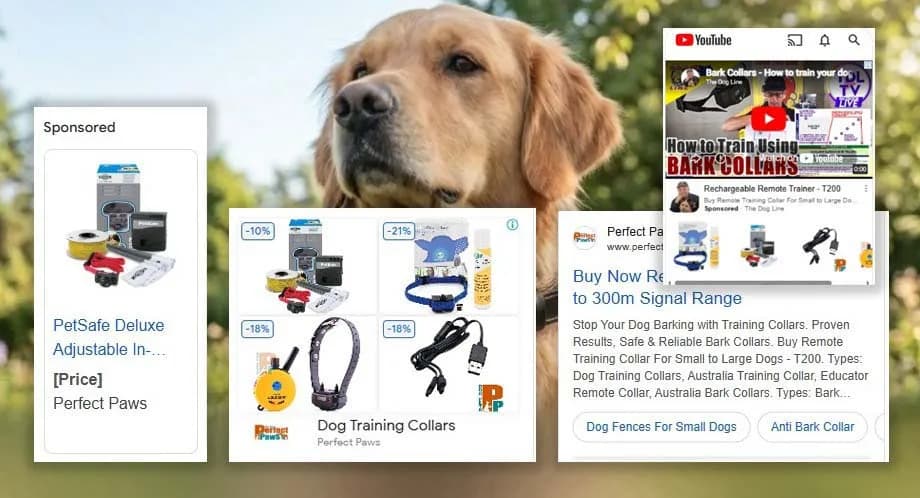
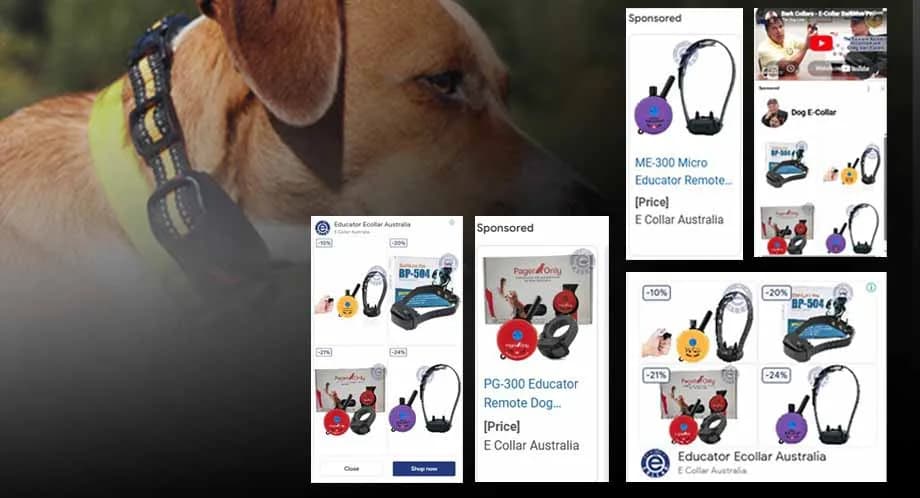
Margin-first product selection for a niche dog e-collar retailer: advertising fewer products, deliberately, to protect ROAS on a small catalog.
The challenge
This Australian client runs a tightly focused e-commerce store specializing in dog e-collars. It’s a genuinely niche catalog (only around 20–25 products in total), and crucially, not all of them are worth advertising. A handful of the SKUs are low-margin, low-revenue accessory items like e-collar batteries and dog signs, products that would quietly drain ad budget without contributing meaningful return if thrown into a broad Shopping campaign.
This was a build from the ground up rather than a rescue: the brand was first planning to launch paid advertising. The strategic question wasn’t “how do we advertise everything?” It was “which products actually deserve the budget?”
Goals
Protect ROAS by advertising the right products, not all of them
Capture high-purchase-intent dog e-collar shoppers efficiently
Apply proven category knowledge to skip the guesswork
The strategy
Rather than pushing the entire catalog, spending deliberately concentrated on the e-collar products themselves, the higher-margin, higher-intent items that actually drive profitable revenue. Low-margin accessories (batteries, signs) stayed out of the core advertising push so every dollar of budget worked on products that could deliver a strong return.
In a small catalog, this discipline matters enormously: advertising less, but smarter, is what protects ROAS.
Dog e-collars attract a specific, motivated shopper: dog owners actively researching and ready to buy a training solution. The Google Ads account was structured to capture that high-purchase-intent traffic efficiently rather than chasing broad, top-of-funnel volume that wouldn’t convert in such a specialized category.
This isn’t the only client managed in this exact space: paid advertising runs across multiple dog and e-collar e-commerce brands, bringing proven, category-specific knowledge of what sells, how these buyers search, and which products carry the margin to advertise profitably. That cross-account experience shortcut a lot of the guesswork for this brand.
The proof
Verified results
Permission-cleared figures
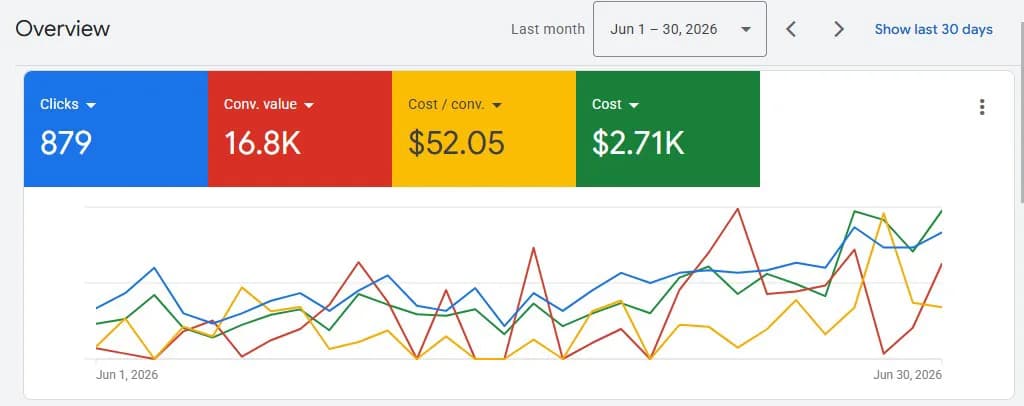
~6.4x
Return on ad spend
$15,000
Monthly revenue
41
Orders (last 30 days)
Key takeaway
In niche e-commerce with a small catalog, more products advertised does not mean more revenue. The win here came from margin-first product selection (concentrating budget on the high-intent, high-margin e-collar products and deliberately excluding the low-return accessories) to deliver ~6.4x ROAS. Specialized category experience makes the difference between guessing and knowing which products to back.
FAQ
Figures and creative shown are real, verified and published with the client's written permission.
More case studies
Ready when you are
Get a free, no-obligation Shopping account review from a senior specialist, the same margin-first product strategy, mapped to your catalog.